Designing a swimming pool requires a careful balance of aesthetics, engineering, safety, and functionality. Whether the pool is residential, commercial, or recreational, proper planning and technical design ensure long-term durability, user safety, and efficient operation. From site evaluation to hydraulic systems, every stage plays a critical role in creating a high-quality swimming pool.
Experienced pool designers and manufacturers like Magline Pools follow a systematic and standards-driven approach to deliver reliable, safe, and visually appealing swimming pool solutions.
Swimming Pool Design
Swimming pool design is a specialized process that combines planning, engineering, safety, and aesthetics to create a functional and long-lasting pool. Proper swimming pool design ensures correct dimensions, structural strength, efficient water circulation, and user safety. A well-planned design not only enhances visual appeal but also improves durability, hygiene, and overall performance of the swimming pool.
1. Swimming Pool Planning and Site Analysis
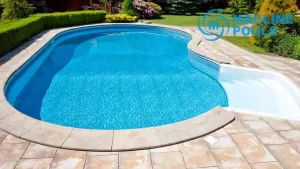
The first step in swimming pool design is proper swimming pool details planning and site evaluation. This includes understanding the purpose of the pool—whether it is for private use, hotels, resorts, sports facilities, or public swimming areas. Site conditions such as soil type, groundwater level, available space, sunlight exposure, and surrounding structures must be carefully analyzed.
Good planning also involves deciding the pool shape, orientation, entry points, and circulation area around the pool. Magline Pools emphasizes early-stage planning to avoid structural issues, drainage problems, and future maintenance challenges.
2. Pool Dimensions and Depth Design
Pool dimensions depend on usage requirements, user age group, and applicable safety standards. Residential pools usually have smaller dimensions, while commercial and competition pools require standard lengths, widths, and lane configurations.
Depth design is equally important. Shallow areas are recommended for children and beginners, while deeper zones are designed for experienced swimmers or diving (where permitted). Gradual depth transitions help improve safety and user comfort. Proper dimensioning also ensures uniform water circulation and efficient filtration.
3. Structural Design and Construction Materials
The structural design of a swimming pool construction ensures its strength, durability, and resistance to water pressure and soil loads. Reinforced concrete is the most commonly used material due to its long life and flexibility in shape. Waterproofing layers, expansion joints, and crack-control reinforcement are essential parts of structural design.
Professional manufacturers like Magline Pools focus on quality construction materials and precise engineering calculations to ensure leak-proof and long-lasting pool structures.
4. Safety Features and Compliance
Safety is one of the most critical aspects of swimming pool design. Pools must comply with local and international safety standards. Key safety features include non-slip pool decks, handrails, ladders, depth markers, proper lighting, and emergency exits.
For public and commercial pools, additional safety measures such as lifeguard stations, safety signage, anti-entrapment drain covers, and fencing are mandatory. A well-designed safety system minimizes accident risks and ensures a secure swimming environment.
5. Filtration and Circulation Systems
An efficient filtration and circulation system is essential to maintain clean and hygienic pool water. The system typically includes pumps, filters (sand, cartridge, or DE filters), skimmers, main drains, and return inlets.
Proper hydraulic design ensures uniform water circulation, prevents dead zones, and reduces chemical consumption. Magline Pools designs advanced filtration systems that improve water clarity while reducing energy and maintenance costs.
6. Water Treatment and Disinfection Systems
Water treatment systems keep the pool water safe for users by controlling bacteria, algae, and contaminants. Chlorination is the most common method, while modern pools may also use saltwater systems, UV treatment, or ozone disinfection.
Correct chemical balance (pH, alkalinity, and chlorine levels) is essential to protect pool surfaces, equipment, and swimmer health. Automated dosing systems are often recommended for large or commercial pools.
7. Drainage, Overflow, and Backwash Systems
Proper drainage design prevents waterlogging and structural damage around the pool area. Overflow gutters or balance tanks help manage excess water caused by splashing or rainfall. Backwash systems are designed to safely discharge wastewater generated during filter cleaning.
A well-planned drainage system improves pool hygiene and extends the life of the surrounding infrastructure.
8. Lighting and Electrical Systems
Swimming pool lighting enhances visibility, safety, and aesthetics. Underwater LED lights are commonly used for energy efficiency and visual appeal. Electrical systems must be waterproof, properly grounded, and compliant with safety regulations to prevent electrical hazards.
Conclusion
Designing a swimming pool is a highly technical process that involves detailed planning, accurate dimensioning, strong structural design, strict safety measures, and efficient mechanical systems. A professionally designed pool not only enhances visual appeal but also ensures safety, hygiene, and long-term performance.
With expertise in swimming pool design planning, detailed swimming pool design, pool engineering, and system integration, Magline Pools delivers well-designed swimming pools that meet technical standards and client expectations. The swimming pool design process includes site analysis, pool layout and dimensions, structural and hydraulic design, safety features, and efficient filtration and water treatment systems. Choosing an experienced pool manufacturer and following a structured swimming pool design approach are key to building a safe, durable, and efficient swimming pool.